Coronavirus disease 2019 commonly known as COVID-19 is infectious disease caused by a newly discovered coronavirus. The disease is caused by respiratory virus and was first identified in December, 2019 in Wuhan, the capital of China’s Hubei province. As of 4th May 2020, more than 3.5 million people have been infected across 187 countries and resulting in more than 248,286 deaths. More than 1.15 million people have recovered globally.
What is Coronavirus?
Coronavirus are large family of viruses that cause diseases in mammals and birds, and can cause illnesses of the respiratory tract that can range from mild to lethal. Mild illnesses include common cold (which is mostly caused by rhinoviruses), while Lethal illnesses include SARS, MERS and COVID-19.
Serve acute respiratory syndrome (SARS) is a respiratory disease of zoonotic (a disease that normally exists in animals but can infect human) origin which was identified in 2003. SARS was thought to be an animal virus but was found infection in humans in Guangdong province of southern china in 2002. This virus was contained after it had infected more than 8000 people.
Middle East respiratory syndrome (MERS), also known as camel flu was first identified in Saudi Arabia in 2012.
The new virus is named SARS-CoV-2 and it causes diseases COVID-19.
How dangerous is it?
COVID-19 is transmitted much more readily between humans than other type of coronavirus. However, the new coronavirus, COVID-19 is considered less dangerous than SARS and MERS, but more fatal than the seasonal flu. The virus has caused serve respiratory disease in many patients and killed more than 3 percent of confirmed cases.
Older people, whose immune defense have declined with age, as well as those with underlying health condition like diabetes, chronic respiratory disease and cancer are more vulnerable and are more likely to develop serious illness than the young and healthy people.
Children were seem less likely to be infected but according to recent research, children aged less than 10 years are reported infected.
How is it transmitted?
As COVID-19 is a new disease, how it spreads and how long it can live in surfaces are being researched in detail. Generally, the disease is spread during close contact with the infected person or animals, often by tiny droplets of saliva produced during coughing, sneezing or taking, allowing the virus to travel through the air.
Experts believe that an infected animal may have first transmitted the virus to human at a market that sold alive fish, birds and other animals in Wuhan.
Bats are considered a possible source, because they were found to be the starting point for SARS and they are believed to coexist with many viruses. They may have transmitted the virus to other animals and may have then passed on the virus to humans.
Symptoms
COVID-19 affects different people in different ways. Most common symptoms of this infection include fever, cough and difficulty in breathing or shortness of breath. Most infected people will develop mild to moderate illness and recover without hospitalization. According to WHO,
Most common symptoms:
Less common symptoms:
- aches and pain
- sore throat
- headache
- loss of taste or small
- diarrhea
- conjunctivitis
- a rash on skin, or discoloration of fingers or toes
Serious symptoms:
- Chest pain or pressure
- Difficulty breathing or shortness of breath
- Loss of speech or movement
Other common symptoms includes muscle and joint pains. Symptoms like nausea, vomiting and loss of appetite have been observed in many patients.
One with above symptoms should consult doctor or health facility and seek immediate medical attention.
People with mild symptoms who are healthy and are of young age can manage their symptoms at home by taking necessary precaution and following doctor’s suggestions. But people with serious symptoms, old aged and having some disease should seek serious medical attention.
According to report, on average it takes 5-6 days to show symptoms from when someone is infected, however it can take up to 14 days. Most of people who develop symptoms will do so within 11.5 days of infection.
Prevention
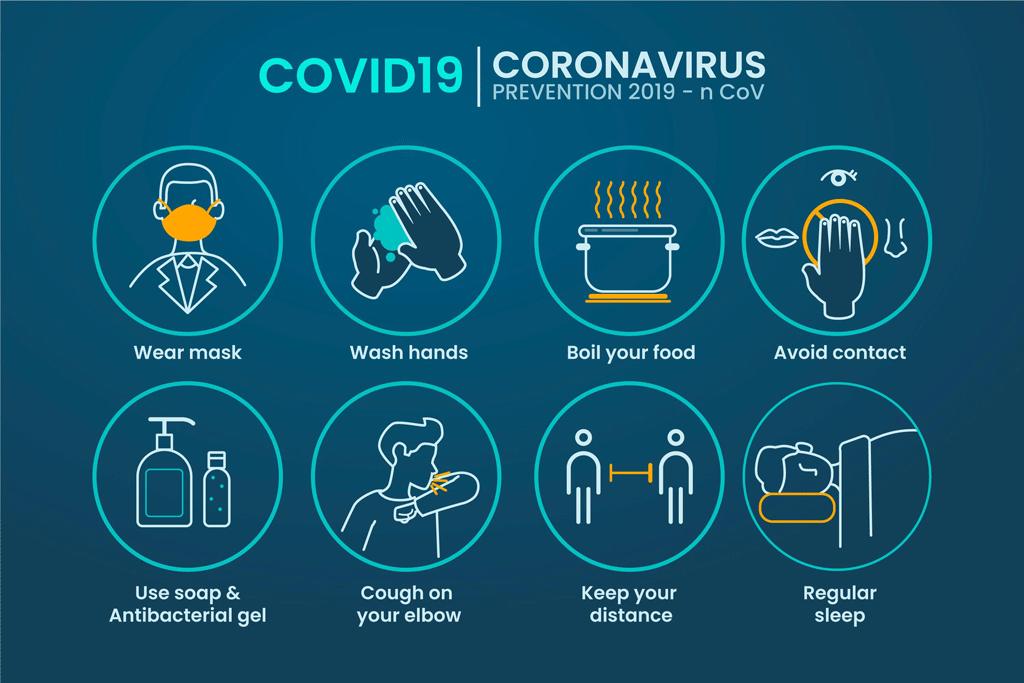
The most preventive measure to reduce the chances of infections include staying home, avoiding crowd, keeping distance from others, washing hand frequently with soap and water for at least 20 second ,avoiding touching eyes, nose, mouth and face.
Some of preventive measure to stop infection and slow down the transmission of COVID-19 are:
- Wash your hands frequently with soap and water, or clean with alcohol-based hand sanitizer
- Avoid touching your face
- Stay home if you feel unwell
- Cover your mouth and nose when coughing or sneezing with a tissue or use inside of elbow if no tissue is available
- Proper hand hygiene after any cough or sneeze is encouraged
- Maintain at least 1 meter distance from other
- Stop smoking and other activities that weaken the lungs
- Avoid unnecessary traveling and stay away from crowed
- Use cloth face coverings in public places
At this time, there are no specific vaccines or treatments available for COVID-19. Various researchers and agencies are actively working on developing vaccine and is assured to be developed timely.
Another way to stop this virus is to contained it, but right now it is likely not possible. The way it is spreading and causing damage, vaccine is seemed to be the only solution.
Till then the best way to protect yourself and other, and to stop this pandemic is to be well informed about the COVID-19 virus, the disease it causes and how it spreads, and following the preventive measure.